Quick Verdict
Primer and moisturizer both prep your skin, but they do very different jobs underneath makeup. Primer creates a smooth canvas for makeup, while moisturizer locks in hydration and comfort all day. Think of foundation as base, and hydration as the comfort your skin feels from morning to night.
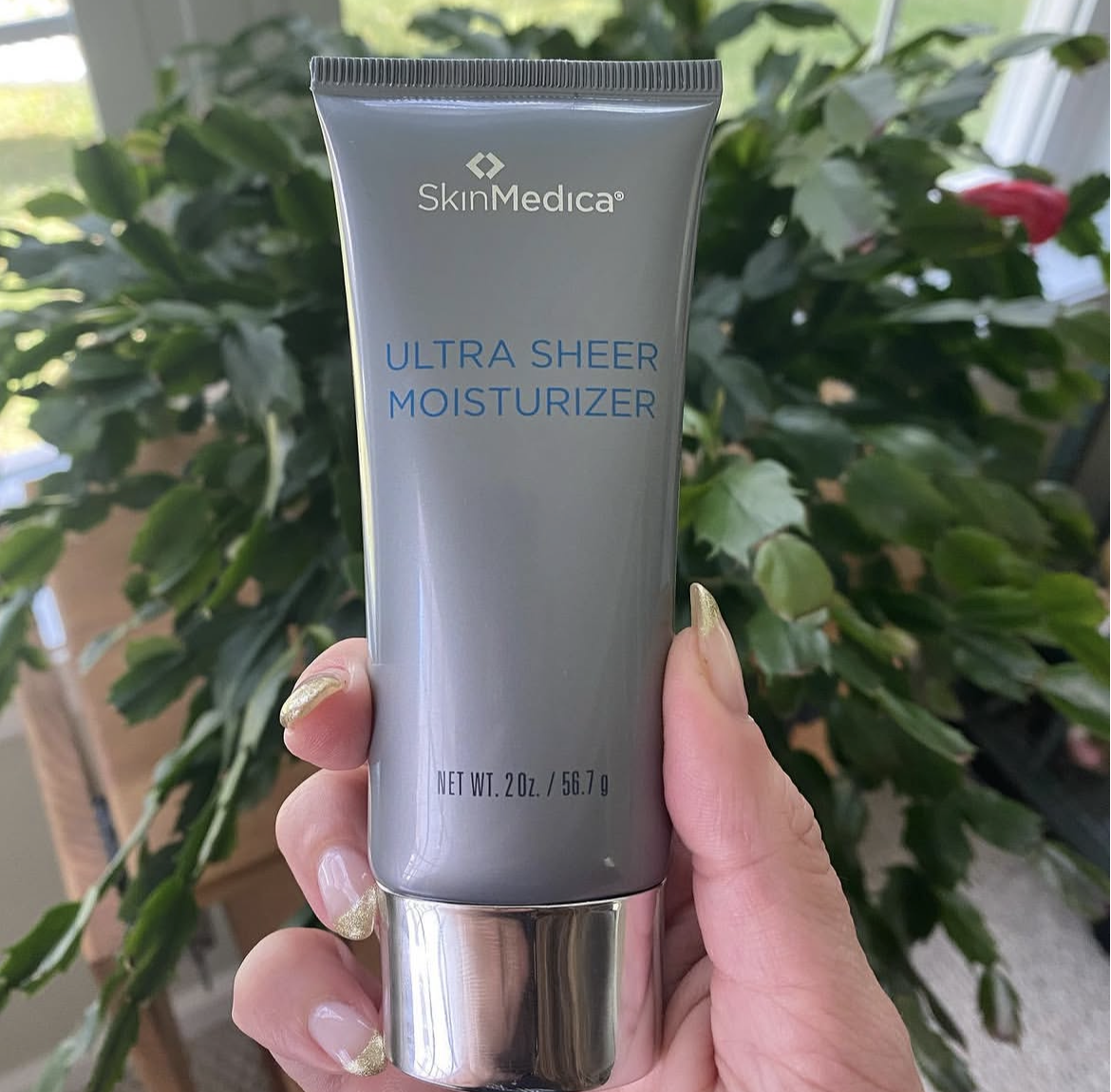
In a balanced routine, you layer skincare first, then makeup, so each product works. Let actives settle for 30 seconds before adding a moisturizer, and many ask 'does serum come before or after moisturizer'. Serums go before moisturizers for actives, and primers go last before color to ensure longevity. For hydration, SkinMedica Ultra Sheer Face Moisturizer stands out with a light, oil-free finish.
In practice, you might use both, but you choose based on skin needs and makeup goals. If your skin is dry, moisturize first to prep; if your T-zone shines, skip extra oil. Together, these steps create a balanced look with lasting comfort and color payoff across the day.
In this quick verdict, the goal is a makeup-ready canvas and skin that feels cared for. If you skip hydration, makeup sits oddly and skin dries out, producing a cakey finish. If you skip primer, texture may cling and makeup fades faster, especially in warm weather.
A simple takeaway: a light layer of primer helps makeup grip, while a good moisturizer keeps skin comfy. The goal is a fresh, long-lasting finish powered by smart layering that respects your skin's needs.
Understanding Makeup Primer vs Moisturizer
A makeup primer is a light film you apply after cleansing and sunscreen. It fills tiny lines, blurs texture, and helps makeup stay fresh longer. Moisturizers add hydration and a shield against dryness.
A moisturizer sits on top of serums and primers to seal in actives and moisture. Look for ingredients like glycerin, ceramides, and soothing extracts for comfort. The big difference is finish: primers boost glow and grip, moisturizers boost cushion and protection.
In practice, you might use both, but you choose based on skin needs and makeup goals. If your skin is dry, moisturize first to prep; if your T-zone shines, skip extra oil. When unsure, test layering on the jaw; see how makeup adheres.
For sensitive or rosacea-prone skin, choose gentler formulas with simple ingredients and avoid fragrance. In this guide, I share practical picks that respect your skin’s balance. The goal is comfortable skin that wears makeup well, with no irritation.
How to Use Primer and Moisturizer in Your Routine
Start with a clean face, then apply your serum to target concerns. Let actives settle for 30 seconds before adding a moisturizer, and many ask 'does serum come before or after moisturizer'. Yes—you can layer both, but in the right order.
Most people start with serum, then seal with a moisturizer to lock hydration. If you wear glycolic acid, wait a minute before moisturizing to avoid pilling. A lightweight primer can follow, right before foundation for smoother texture.
You might hear about the timing: how long to wait to apply moisturizer after glycolic acid. Two to five minutes is plenty for most routines, but adjust for climate. If you use richer formulas at night, you can skip layers during day.
The real trick is listening to your skin and adjusting as it changes. Keep sunscreen for daytime, and reserve deeper moisturizers for evening if needed. If you’re new, start simple and add one product at a time to test results.
Ultimately, your routine should flow: cleanse, serum, moisturizer, sunscreen, then makeup. With practice, you’ll nail the order and feel the difference in how makeup wears.
Choosing the Right Moisturizer for Sensitive Skin and Rosacea
If your skin is sensitive or rosacea-prone, start with a gentle moisturizer. Look for fragrance-free formulas, non-comedogenic labels, and soothing ingredients like ceramides and glycerin. The right pick helps calm red cheeks and keeps skin calm through the day.
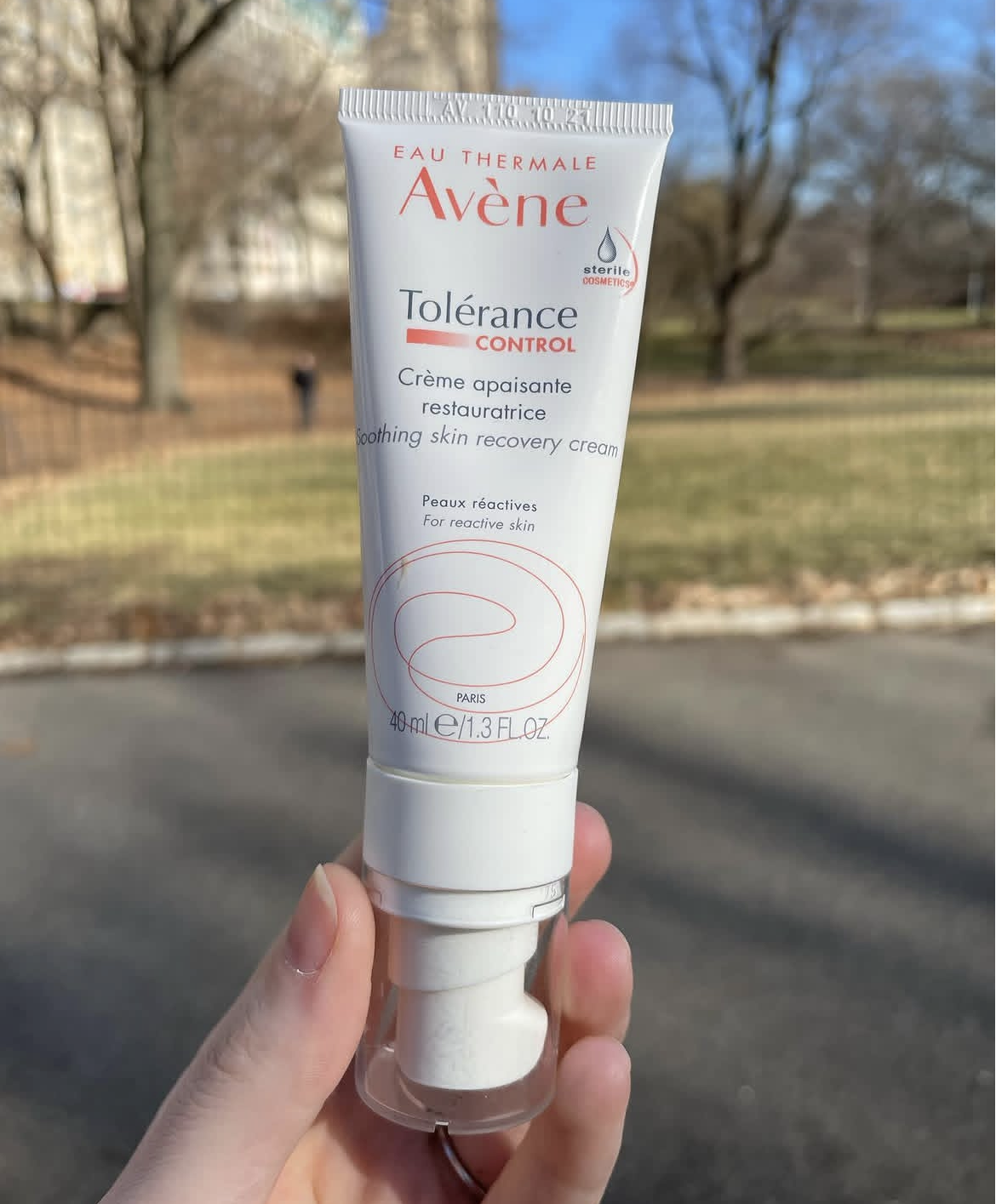
Avène Tolerance Control Soothing Cream — — is often cited as a soft, trustworthy option. If you have rosacea, a calm, fragrance-free routine reduces flare-ups. Try a cream or gel that feels soothing on contact and layers well with serums.
What is the best face moisturizer for sensitive skin? The answer is one that suits you. If the skin reacts, swap to a simpler formula and patch-test new products. Remember fragrance and essential oils can irritate.
There are different textures to try: light creams, rich balms, and soothing emulsions. Non-comedogenic options stay clear of clogged pores, which helps rosacea stay calm. Always read labels, and pick a product with minimal fragrance and gentle preservatives.
If you’re unsure, start with Avène and move slowly to newer picks. Patch-test new formulas for a week, then widen your routine gradually. Your skin will tell you when something works, so listen and adjust.
Product Roundup: Hydration Essentials for Your Routine
Hydration comes in many forms, from sera to night creams. A refreshing boost in the middle of the day helps skin feel awake. Here are a few picks that fit different needs.
For a cooling hydration burst, iS Clinical Hydra-Cool Serum delivers a refreshing, light layer. It pairs well with a simple moisturizer for steady comfort. Softer, calmer skin helps makeup glide on evenly.
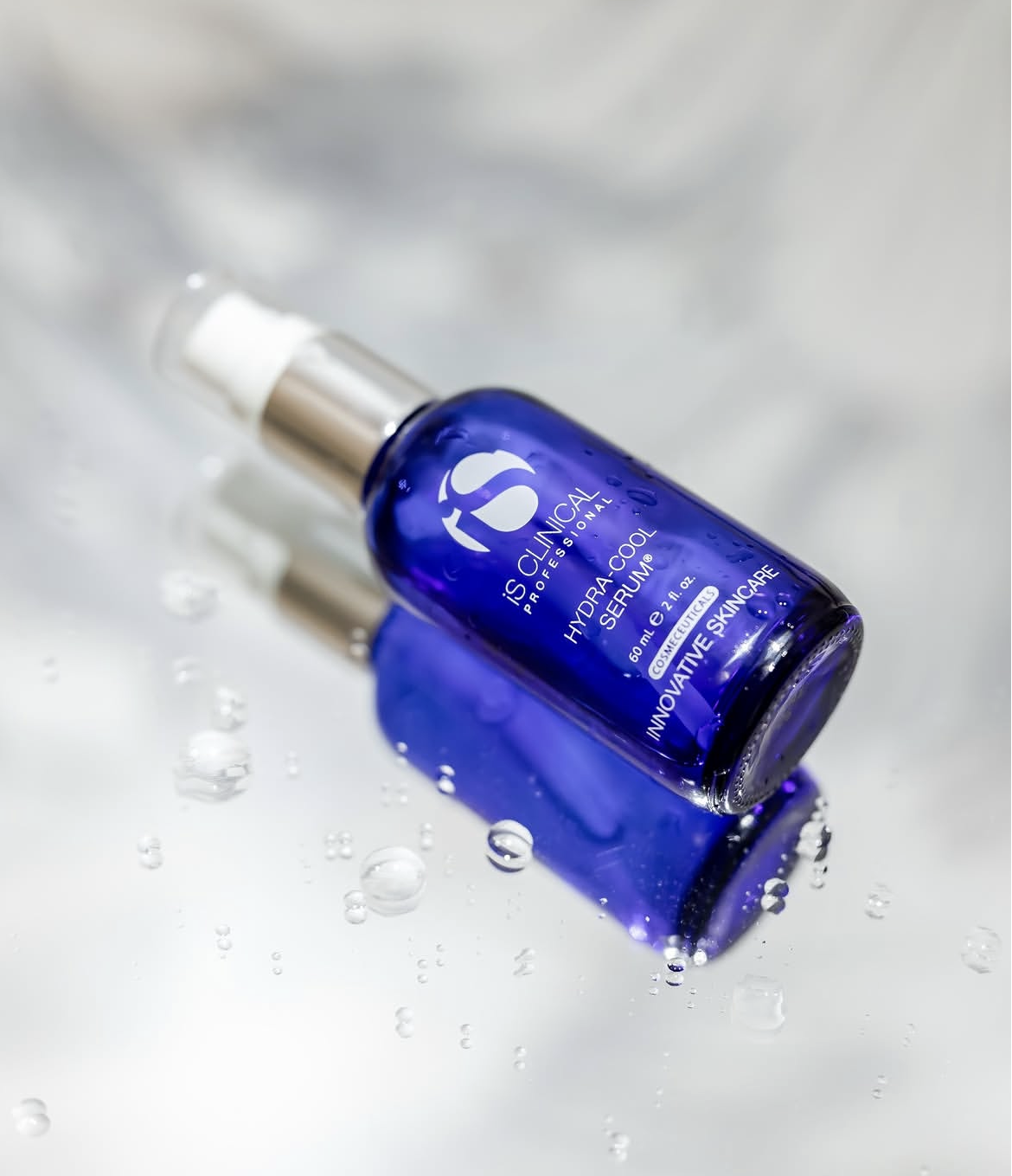
The daytime option can be followed by a light, oil-free moisturizer to seal in hydration and keep things smooth. For a luxurious overnight option, locks in nutrients. Its vibrant blend supports skin while you sleep, so you wake glow-ready.
Another helpful pick is not repeating a product, but when you want cooling relief mid-day, pair a gentle serum with a lightweight moisturizer to seal in hydration. Together, they offer a steady base for makeup and a soft glow. If you want more, try a night option for deeper repair.
Remember, start slow and watch how your skin responds to each layer. Keep notes on texture and shine to guide future purchases. With patience, you’ll assemble a hydration routine that feels effortless.
Frequently Asked Questions
- How do you decide between a makeup primer and a moisturizer? Think about whether you want a smooth base for makeup or lasting hydration, then layer accordingly.
- Can I use both a serum and a moisturizer in my routine? Yes. Apply serum first, then moisturizer to seal in actives and moisture.
- How long should I wait to apply moisturizer after glycolic acid? Wait 1-2 minutes, then gently layer moisturizer.
- What goes first in layering, and does serum come before or after moisturizer? The rule is thin to thick, serum before moisturizer, primer last before makeup.


