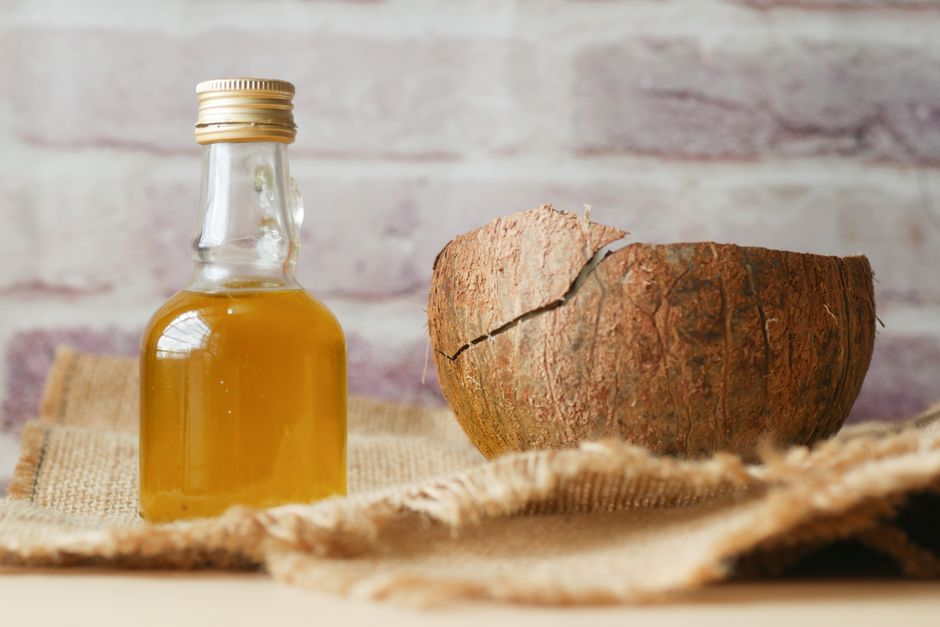
Benefits of Coconut Oil for Facial Skin
You likely keep a jar in your pantry for sautéing vegetables, but could that same ingredient replace your expensive night cream? Frustrated by pricey moisturizers, many people naturally ask: is coconut oil good for face? If you've ever wondered is coconut oil a good moisturiser, this guide summarizes coconut oil benefits with practical takeaways.
Below, we explore the Benefits of Coconut Oil for Facial Skin, popular coconut oil uses for skin, and realistic coconut oil for face benefits based on your skin type.
Picture your skin barrier as a cup needing a tight lid. Dermatologists often note that natural fatty acids act as this perfect sealant. These building blocks don't add water; they simply lock your existing moisture inside while keeping irritants out.
Put simply, does coconut oil moisturize skin? It helps by sealing in hydration rather than adding it, especially when used as a coconut oil as face lotion or balm on damp skin. Many find that focusing on the benefits of coconut oil in the skin barrier makes the biggest day-to-day difference.
Yet, this rich oil can be a miracle or a mistake depending on your specific needs. It delivers hydration, protection, and anti-aging support for the right complexions. So, what can coconut oil do for your skin?
For some, it smooths the look of dryness and supports a calm barrier. When it comes to aging, people often ask is coconut oil good for wrinkles or will coconut oil help with wrinkles; its antioxidant content can soften the look of fine lines, but it won't replace retinoids, sunscreen, or in-office treatments.
Some also wonder about coconut oil for skin tightening or coconut oil for dark spots—while it can create a dewy, coconut oil for brighter skin appearance, the research on firming and lightening is limited. In other words, does coconut oil brighten skin? It may enhance radiance for some, but results vary.
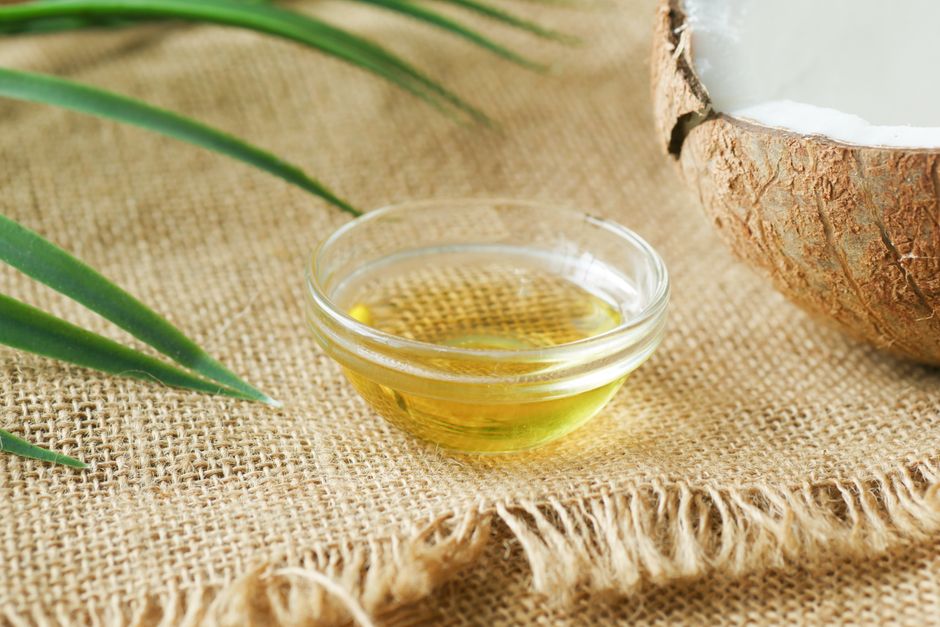
How Lauric Acid Acts as a Natural Shield Against Irritation
If your skin often feels tight, red, or irritated after a harsh, windy day, you are not alone in seeking a gentle fix. Many people are discovering the secret to reducing facial inflammation with plant oils instead of relying on complicated chemical treatments.
For those asking is coconut oil good for your skin in sensitive moments, the answer depends on your tolerance and application method.
Lauric acid acts like an invisible shield for your face. This specific fatty acid actively fights off the everyday bacteria that are frequently linked to minor breakouts and stubborn redness.
Beyond fighting off unwelcome microbes, this common pantry staple forms a calming, protective barrier over your complexion. This preventative layer stops minor irritations before they escalate, instantly softening skin that feels stressed by the sun or winter weather.
Protecting your face from outside invaders is only the first step toward achieving a healthy, comfortable glow. You also need to keep your own natural hydration from escaping.
The Sealant Effect: Why Coconut Oil Is the Ultimate Moisture Lock for Dry Skin
Think of skin care in two parts: "sponges" that soak up water, and "lids" that keep it there. Coconut oil acts like a good "lid." It creates a barrier that locks in the water already on your skin instead of adding more moisture.
To use coconut oil as a face moisturizer, put a thin layer on damp skin.
This helps seal in the water underneath. If you’ve asked if coconut oil is good for moisturizing your face, the locking effect is why it feels so nice on dry spots.
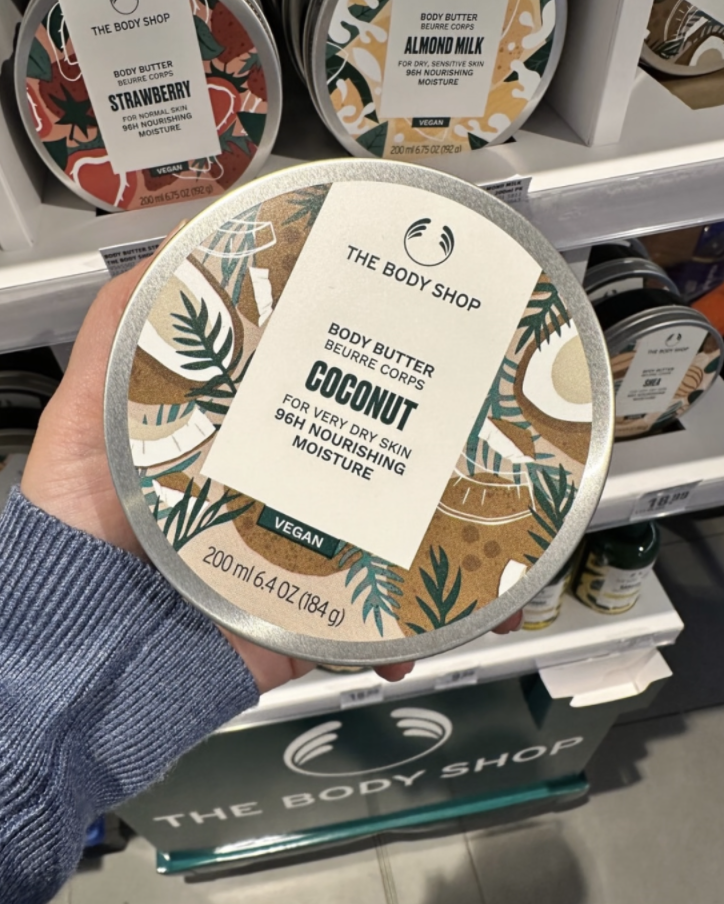
Coconut Body Butter For Dry Skin Review is specially formulated for very dry skin, this rich and creamy body butter envelops your body in 96 hours of intense moisture, leaving your skin soft, supple, and beautifully hydrated.
Repairing this invisible seal stops dehydration at the source. The oil is packed with medium-chain fatty acids for skin barrier support, which are simply nourishing fats that smooth over microscopic rough patches. You likely need this heavy-duty protection if you regularly experience these signs of a damaged barrier:
A tight, stretched feeling immediately after washing your face.
Visible, stubborn flakiness around your nose or cheeks.
A dull appearance that standard, lightweight lotions cannot fix.
Maximizing this benefit requires rubbing the oil onto lightly damp skin to lock in that trapped water. During cold weather, this rich seal outlasts standard lotions that quickly evaporate. Yet, this thick sealant isn't universally perfect, which dictates how safely it can be used.
Knowing Your Skin Type: Why Some Pores Love It While Others Clog
Think of your pores as a fine coffee filter. Lightweight serums pass through easily, but a thick batter quickly blocks the holes. Experts measure this risk using a 0 to 5 scale called the comedogenic rating. Because the comedogenic rating of coconut oil sits at a high 4, it acts just like that heavy batter. It can absolutely clog facial pores, especially if your "filter" easily backs up.
Your natural complexion dictates how safely this thick sealant absorbs. You should skip this ingredient entirely if you check these boxes:
You have naturally large-pored skin that gets greasy by midday.
You frequently battle active acne breakouts or blackheads.
Thick night creams usually leave you with tiny, stubborn bumps.
If this checklist is painfully relatable, jojoba oil offers a much lighter, pore-friendly alternative. Conversely, if your skin is chronically dry and naturally "small-pored," that heavy coconut seal remains your perfect match.
Can you use coconut oil on your face if you're dry but non-acne-prone? Yes—sparingly and on damp skin. If you're breakout-prone, can you put coconut oil on your face nightly? It's best to avoid it on acne-prone areas or limit it strictly to dry patches.
Breakout-out Prone refers to skin that is highly likely to develop blemishes, pimples and blackheads. This skin type is sensitive to skincare and makeup products and requires care when applying different products.
Virgin vs. Refined: The Critical Difference in How Your Skin Recovers
Standing in the grocery aisle, you might assume any jar works, but understanding the difference between refined and unrefined coconut oil prevents a major skincare mistake. Many shoppers ask what type of coconut oil for skin is best.
Refined versions undergo harsh bleaching and deodorizing, making them perfect for frying potatoes but terrible for your complexion. In short, is refined coconut oil good for skin? Not typically for facial use.
True nourishment relies on cold-pressed extraction, a gentle squeezing method that completely avoids destructive heat.
This process ensures antioxidant preservation, keeping vital nutrients like Vitamin E perfectly intact.
By choosing organic extra virgin coconut oil—often labeled virgin coconut oil for face—you deliver these surviving vitamins directly to your skin rather than washing them down the drain at a factory. For most people seeking the best coconut oil for skin, a high-quality, cold-pressed, unrefined option is the safest bet.
The preserved antioxidants act like small shields. They protect against daily damage from the environment that leads to visible aging.
Using unrefined oil ensures you get this natural protection instead of just a greasy layer of empty fats. With the right jar in hand, you are ready to safely test and introduce this rich moisturizer into your daily habits, expanding your practical coconut oil uses for skin without overdoing it.

3 Ways to Use Coconut Oil in Your Daily Routine (Plus a Patch Test Guide)
Before slathering your new jar everywhere, proper application starts with a simple safety check. To prevent an unexpected full-face breakout, always patch test first:
Rub a tiny drop behind your ear or on your inner arm.
Wait 24 hours, watching closely for redness or small bumps.
If your skin remains perfectly clear, you are safe to proceed.
Once approved, this oil beautifully transforms your makeup removal routine. As one of the simpler coconut uses for skin, massage a small scoop over dry skin to quickly dissolve stubborn mascara without the harsh scrubbing that causes premature wrinkles.
Always follow up immediately with your regular water-based face wash—a dermatologist-loved technique called "double cleansing"—to ensure no heavy, pore-clogging residue remains.
For targeted winter rescue, apply an overnight coconut oil mask exclusively to stubborn dry patches rather than your entire face. This localized approach acts like a sealable lid, trapping vital moisture while you sleep.
Next Steps for a Healthier Complexion
You no longer have to guess if that pantry staple belongs on your complexion. By leveraging coconut oil's deep hydration and natural protection, you can confidently decide if your extra-dry, flaky skin makes you an ideal candidate for this natural moisture lock.
For many, this answers the broader question, is coconut good for skin, with a cautious yes—especially if you choose quality and apply thoughtfully.
Rather than buying expensive creams, you might already possess a high-value beauty tool right in your kitchen. If you are ready to safely explore coconut oil for skin, start by applying a tiny dab along your jawline tonight to begin your patch test.
Traditional wisdom has long praised coconuts for skin rituals, and modern routines still find room for a carefully chosen, unrefined option. Ultimately, the smartest approach is to test, observe, and keep what works for you.
Frequently Asked Questions
Question: Is coconut oil actually good for facial skin?
Short answer: Yes—if your skin type is a match. Coconut oil works as an occlusive “lid” that seals in your existing moisture, helping relieve dryness and support a calmer, more resilient barrier.
Its lauric acid offers antimicrobial support that can help reduce everyday bacteria linked to minor breakouts and redness, and unrefined oil contains antioxidants that defend against environmental stress. However, it doesn’t add water on its own, and it’s not ideal for everyone—especially if you’re acne‑prone.
Question: How should I use coconut oil to moisturize effectively?
Short answer: Apply a very thin layer over lightly damp skin as the final step in your routine to lock in water. Focus on dry, flaky areas or use it as an overnight spot mask on stubborn patches—especially in cold weather.
Always patch test first: dab a tiny amount behind your ear or on your inner arm, wait 24 hours, and proceed only if there’s no redness or bumps. If you use it to remove makeup, massage onto dry skin and then follow with your regular water‑based cleanser (double cleansing) to avoid pore‑clogging residue.
Question: Who should avoid coconut oil on the face?
Short answer: If you have large pores, get greasy by midday, frequently break out, or develop tiny bumps from thick creams, skip it. Coconut oil has a high comedogenic rating (4) and can clog pores on acne‑prone or oily skin.
If you’re dry but not acne‑prone, you can use it sparingly on damp skin or limit it to dry patches. Prefer a lighter alternative like jojoba oil if you’re prone to congestion.
Question: Which type of coconut oil is best for facial use?
Short answer: Choose a high‑quality, cold‑pressed, unrefined (organic extra virgin) coconut oil. This preserves antioxidants like Vitamin E that support the skin’s defense against daily damage. Refined oils are bleached and deodorized—fine for cooking but generally not ideal for facial skincare.
Question: Can coconut oil reduce wrinkles, tighten skin, or fade dark spots?
Short answer: It can soften the look of fine lines by improving moisture retention and providing antioxidants, and it may give a dewy, brighter appearance. But evidence for firming or lightening dark spots is limited.
Coconut oil won’t replace proven options like sunscreen, retinoids, or in‑office treatments; consider it a supportive moisture seal, not a primary anti‑aging or brightening treatment.


