
Understanding the Causes of Uneven Skin Tone
Have you ever looked in the mirror and asked yourself, "Why is my skin tone uneven?" If so, you are definitely not alone. Whether you are dealing with a slightly dull, uneven complexion or noticeable two tone skin, variations in pigment can be frustrating. Understanding the Causes of Uneven Skin Tone is the absolute first step toward achieving a radiant, healthy glow.
A smooth, even skin tone is a universal skincare goal. But before diving into a cabinet full of creams and serums, we need to look beneath the surface. In this comprehensive guide to fading skin discoloration, we will break down exactly what causes these changes and share actionable advice on how to treat uneven skin tone effectively.
The Root Causes: Why is My Skin Tone Uneven?
To figure out how to get even skin complexion, you must first identify the culprit behind the discoloration. Several internal and external factors influence the way your skin looks and feels.
The Science of Pigment
At the core of this issue is the role of melanin in skin tone variation. Melanin is the natural pigment that gives our hair, eyes, and skin their unique color. When our body produces too much of it in certain areas, it results in uneven skin color and dark patches.
Sun Exposure and Environmental Aggressors
UV radiation is one of the leading causes of dark spots on face and body. When UV rays penetrate the skin, they trigger excess melanin production as a defense mechanism.
Learning how to prevent sun damage spots by wearing daily SPF is non-negotiable.
Furthermore, do not underestimate the impact of pollution on skin clarity. Airborne toxins generate free radicals that break down collagen, leading to dullness and uneven skin pigmentation across your face and neck.
Hormones and Skin Conditions
Hormonal changes affecting skin pigment are incredibly common, particularly for women during pregnancy or while taking oral contraceptives. If you notice gray-brown patches on your cheeks or forehead, you might be dealing with melasma. Knowing the hyperpigmentation vs melasma differences is crucial: while both result in dark spots, melasma is deeply rooted in hormonal fluctuations, whereas standard hyperpigmentation is usually triggered by external damage.
Melasma is a common skin condition that causes discolored patches across your skin due to sun exposure, appearing on the cheeks, forehead and upper lip.
Additionally, if you find yourself wondering what causes facial redness and blotchiness, underlying conditions like rosacea, eczema, or simple allergic reactions are often to blame.
Breakouts and Inflammation
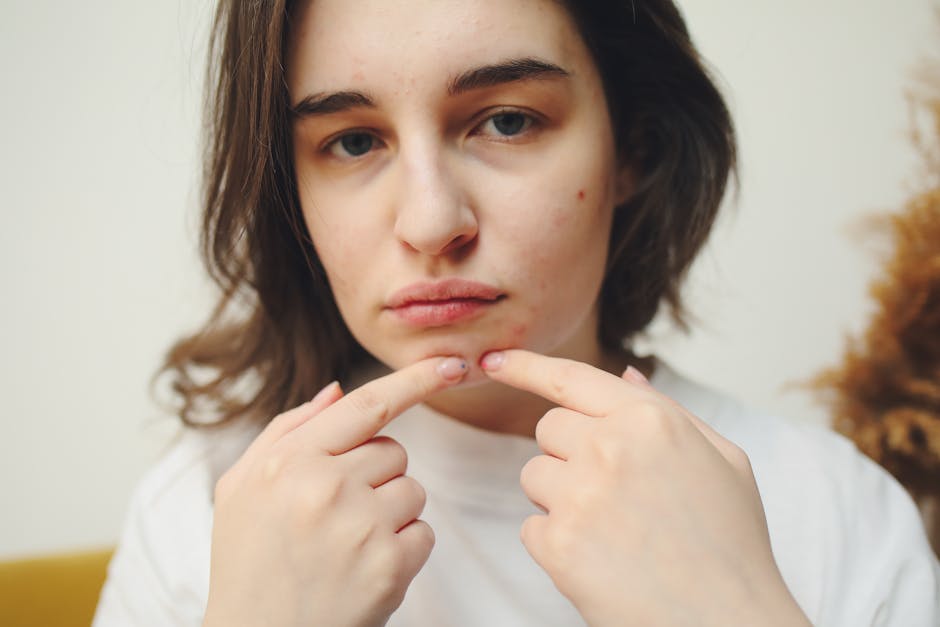
For many, the aftermath of a breakout is worse than the pimple itself. Post-inflammatory hyperpigmentation from acne leaves behind stubborn dark marks. When battling post-breakout hyperpigmentation, uneven skin tone is practically a guarantee until the inflammation subsides and the cells turn over.
Targeted Solutions: Face vs. Body
People frequently ask how to get even skin color on face compared to their limbs. The skin on your body is thicker than the delicate skin on your face, meaning the approach to fading uneven pigmentation must differ.
For the Face: When figuring out how to fix uneven skin tone on face, gentle is better. To achieve a flawlessly even skin tone, face serums containing active brightening ingredients are essential.
For the Body: Wondering how to even out skin tone on body? Because the skin on your arms, chest, and back is more resilient, you can use stronger chemical exfoliants in your body washes and lotions to combat uneven skin color on body parts effectively.
Caring for Melanin-Rich Skin
When addressing uneven skin tone, dark skin requires a specialized approach. Deeper skin tones have larger, more active melanocytes, meaning they are more prone to dark marks after an injury or breakout. Using the right face products for dark skin—specifically those that brighten gently without aggressive bleaching agents—is vital to safely even out skin complexion without causing further irritation.
How to Treat Uneven Skin Tone
So, what helps with uneven skin tone? If you are eager to learn how to get rid of uneven skin tone and smooth out your texture, you need a routine built around proven ingredients.
Powerful Brightening Ingredients
If you are currently researching what to use for uneven skin tone, look for these heavy hitters when shopping for products for uneven skin tone:
Vitamin C: The benefits of vitamin c for skin brightening are legendary. It inhibits the enzyme responsible for melanin production and protects against environmental damage.
Niacinamide: Using niacinamide for evening out skin complexion is highly effective. It reduces inflammation, strengthens the skin barrier, and stops pigment from transferring to the skin's surface.
Exfoliation and Texture Repair
To understand how to fix patchy skin texture, you have to prioritize cellular turnover. When comparing physical vs chemical exfoliants for dullness, chemical exfoliants (like AHAs and BHAs) provide a more uniform, gentle sweep of dead skin cells than harsh scrubs.
For advanced resurfacing, consider the debate of retinol vs alpha hydroxy acids for texture. AHAs dissolve the glue holding dead surface cells together, instantly brightening the skin. Retinol, on the other hand, works deeper to accelerate cell regeneration. Both are fantastic, but they should be used on alternating nights to avoid irritation.
AHAs are a type of exfoliating acid known as alpha-hydroxy acids while BHAs are a type of chemical exfoliant that help to dissolve dead skin cells and unclog pores.
Gentle and Natural Alternatives
If you have highly sensitive skin, you might prefer natural ways to treat blotchy skin. Ingredients like licorice root extract, aloe vera, and green tea are incredibly soothing and gently diminish redness over time.
Your Daily Blueprint to an Even Complexion
If you find yourself asking, "How can I get even skin tone?" or "How do you get your skin color back after severe sun damage?", the answer lies in consistency. While there is no overnight miracle on how to cure uneven skin tone, a disciplined routine will yield incredible results.
Here is a simple, actionable checklist to help you how to remove uneven skin tone:
Cleanse Gently: Avoid stripping your natural moisture barrier.
Apply Antioxidants: Use a Vitamin C serum every morning to protect and brighten.
Moisturize: A hydrated skin barrier heals much faster.
Exfoliate: Use AHAs or BHAs 2-3 times a week to buff away dullness.
Protect: The ultimate secret to how to even skin color is applying a broad-spectrum SPF 30 (or higher) every single day, rain or shine.
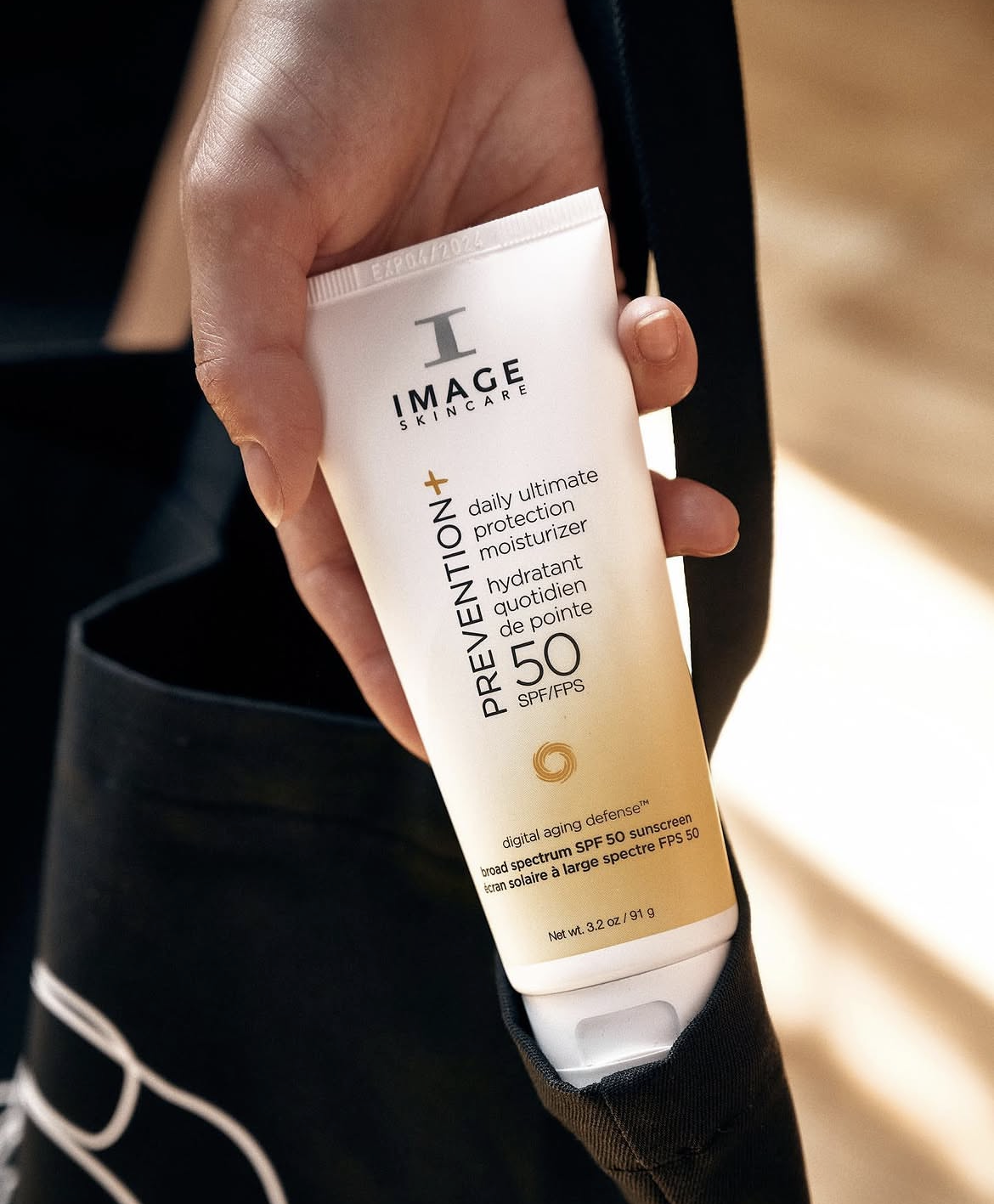
IMAGE's SPF 50 moisturizer sunscreen lotion offers unparalleled protection against harmful sun rays while maintaining a beautifully blendable finish with no white cast. Ideal for mature skin.
IMAGE Skincare Prevention+ Daily Ultimate Protection Moisturizer Sunscreen
Whether your main concern is an uneven skin tone face dilemma or overall body patchiness, patience is key. Figuring out how to fix uneven skin tone is a journey of understanding your unique triggers—be it sun, hormones, or acne. By protecting your skin from further damage and incorporating targeted, science-backed treatments, you can fade discoloration and finally reveal the bright, healthy, even skin tone you deserve.


