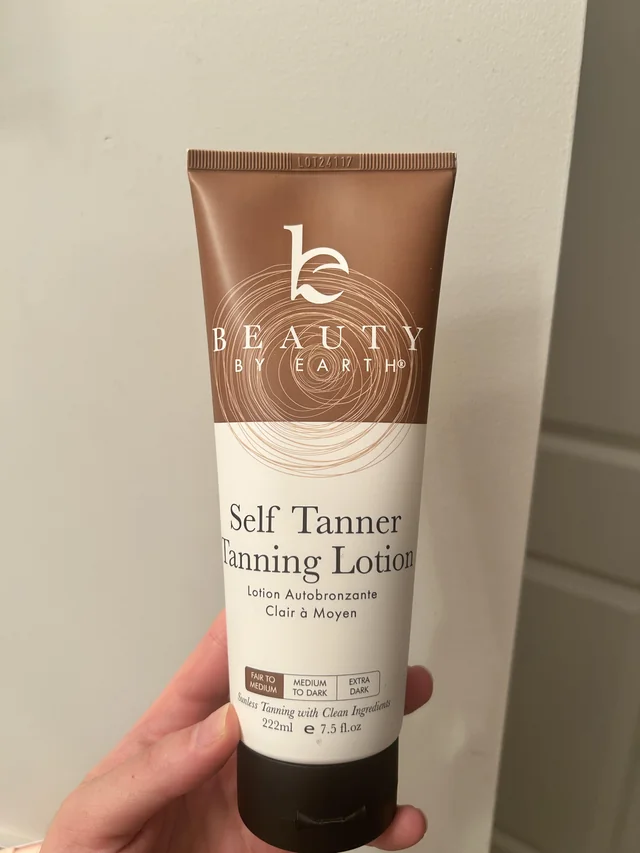
Sun protection should feel like a second skin, especially if your complexion is sensitive. The wrong formula can cause redness, stinging, or breakouts that derail your day. The question many readers ask is which sunscreen is best for sensitive skin. The good news: you can shield your skin without irritation by choosing gentle, well‑formatted products. In this guide, we’ll walk you through how to recognize sensitive‑skin friendly sunscreens, how to apply them with makeup, and practical tips for reapplication. You’ll learn how to notice signs of sensitivity, what ingredients to favor, and how to balance coverage with comfort so your skin stays calm and luminous all day.
Which sunscreen is best for sensitive skin? Look for a gentle, non-comedogenic formula free of harsh chemicals, ideally with added tinted or moisturizing benefits to protect and nourish delicate skin.
Why Choosing the Right Sunscreen Matters
Gentle protection is the foundation for sensitive skin. The sun can be unforgiving to delicate complexions, so starting with a sunscreen that respects your skin is key. Broad‑spectrum protection helps guard against both UVA and UVB rays, which keeps redness and irritation at bay. For sensitive skin, it’s not just about SPF — it’s about how the product feels on contact and how it layers with your skincare routine. You might worry about fragrance, preservatives, or sunscreen filters that can trigger flareups.
Dermatology resources emphasize options that minimize irritation while delivering reliable coverage. Look for fragrance‑free formulas that are labeled as hypoallergenic or dermatologist‑tested. For added reassurance, you can reference guidance from reputable sources like the American Academy of Dermatology and Healthline’s overview of sensitive skin sunscreens. American Academy of Dermatology - Sunscreen and Healthline's Best Sunscreens for Sensitive Skin offer helpful context.
When sensitive skin flares occur, it’s a signal to simplify. Opt for formulas with minimal layers and avoid potential irritants like strong fragrances, essential oils, and certain chemical filters if your skin reacts to them. In practice, starting with a clean canvas and a gentle sunscreen can make your daily routine smoother and more comfortable. If you have a history of sensitivity, you may also want to patch test new products on a small area for 24 hours before full face use.
Tips for Choosing Sunscreen for Sensitive Skin
Look for formulas built for comfort and minimal irritation. In this section, you’ll learn how to spot the signs of a sensitive‑skin friendly sunscreen. Start with mineral options labeled as zinc oxide or titanium dioxide, or gentle chemical filters that are well tolerated by most sensitive complexions. Prioritize fragrance‑free and alcohol‑free formulas, and seek products that are tested for sensitive skin, non‑comedogenic, and non‑irritating.
What is a good sunscreen for sensitive skin? If you’re unsure, start with fragrance‑free, broad‑spectrum sunscreens with minimal active filters. Consider what is the best tinted sunscreen if you want a natural tint that doubles as light makeup. If you’re curious about Korean options, what is the best korean sunscreen is a common question, and many readers find Korean textures to be lightweight and soothing for sensitive skin. Also, if you want a tinted alternative, you may ask what is the best tinted sunscreen for sensitive skin and how it layers with makeup.
Below is a quick comparison to help you decide between mineral and chemical options:
| Feature | Mineral (ZnO/TiO2) | Chemical |
|---|---|---|
| Typical feel | Often creamy and dewier | Lightweight, sometimes watery |
| Irritation risk | Low for sensitive skin | Can vary; patch test advised |
For best results, use a sunscreen that’s fragrance‑free, labeled for sensitive skin, and suitable for daily wear. Remember to test new formulas on a small area first and observe how your skin responds over 24 hours. If you’re leaning toward tinted options, you can combine a gentle sunscreen with a light makeup routine for a seamless look.
How to Apply Sunscreen and Makeup Smoothly
Makeup and sunscreen can work together when done right. The goal is to create a smooth, even base without moving your sunscreen. Start with clean, dry skin and apply a generous amount of sunscreen to the face and neck. If you’re layering skincare, allow serums and moisturizers to absorb for a few minutes before sunscreen. This reduces pilling and helps your makeup apply more evenly.
Can you wear sunscreen under makeup? Yes. Do you apply sunscreen before or after makeup? The sunscreen should go on before makeup, then you can follow with primer, concealer, and foundation. For best results, wait about two to three minutes for the sunscreen to absorb before applying any makeup. If you need to reapply during the day, use a gentle approach that doesn’t disturb your base.
How to apply tinted sunscreen? Start with a pea‑sized amount and blend outward from the center of the face. A light layer that even skins tones can substitute for foundation on casual days. If you ever need to remove makeup, a dedicated sunscreen makeup remover will help you cleanse thoroughly without tugging at delicate skin. And yes, you can wear tinted sunscreen on its own or with makeup as part of a balanced routine.
Tips for reapplication: choose a non‑abrasive sunscreen spray or a compact formula with a soft puff. Lightly press it onto your skin rather than rubbing aggressively, which can disrupt makeup. If you’re juggling multiple products, reapply only as needed and let each layer settle before moving on.
FAQ on Sunscreen for Sensitive Skin
Clear answers can ease your sunscreen decisions. Here are quick responses to common questions. What is the best sunscreen for sensitive skin? Look for fragrance‑free, hypoallergenic formulas with gentle filters and a non‑irritating texture. If you’re considering tinted options, what is the best tinted sunscreen often points to lightweight textures that blur imperfections without heavy coverage.
How to reapply sunscreen without ruining makeup? Gently pat or spray on a light mist of sunscreen and re‑tap with a clean finger or sponge to blend. If your makeup looks creased, you can use a blotting paper, then reapply a thin layer of sunscreen around the edges of the face before reapplying makeup.
For additional guidance, check reputable sources: American Academy of Dermatology - Sunscreen and Healthline's Best Sunscreens for Sensitive Skin.
Next Steps: Continue Your Sunscreen Journey
Continue your sunscreen journey with simple, actionable steps. You’ve learned how to choose gentle formulas, how to apply them with makeup, and how to reapply without disruption. Now it’s time to build a routine that respects sensitivity while delivering reliable protection. Explore additional skincare tips and sunscreen basics to deepen your knowledge and confidence.
For further reading, consider our deeper dives into skincare tips, sunscreen basics, and beauty routines. Try exploring the following resources to expand your approach: Flat Top Makeup Brush: Master Application & Care Tips and Best Toners for Oily Skin: Top Picks for Balanced Skin. You’ll also encounter discussions on what is the best korean sunscreen and where to buy korean sunscreen in future reads.